When Is the Best Time to Install a Garage Floor Coating in Massachusetts?
Cold concrete, humid air, and condensation can make an otherwise convenient date unsuitable. Planning around salt season, storage, ventilation, and vehicle parking is as important as choosing a month.
The best time to coat a Massachusetts garage is when the slab, air, and humidity can stay within the selected epoxy system’s application and cure limits. Spring and fall can offer useful windows, but actual measurements matter more than the calendar, and winter work needs a closed, properly heated garage.
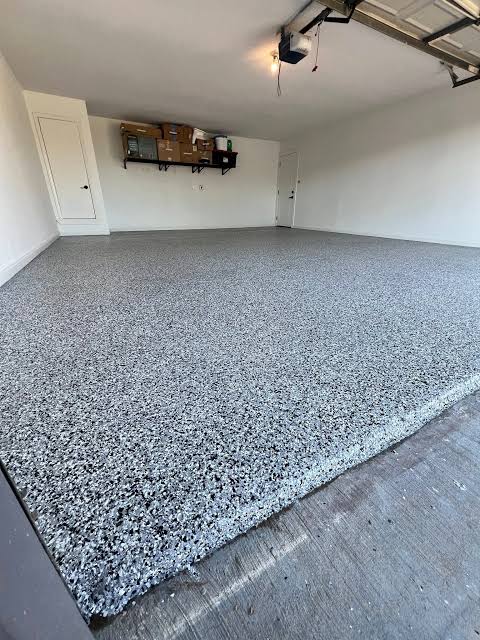
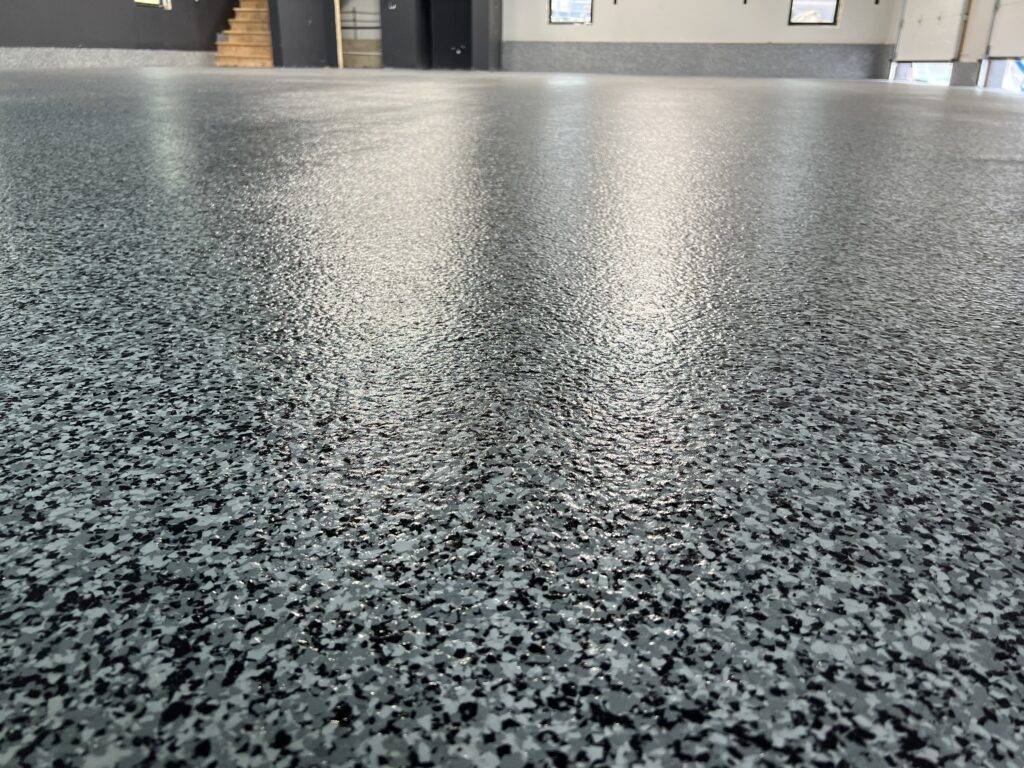
What season is best for epoxy garage floors in Massachusetts?
Milder weather can make it easier to maintain suitable conditions, but no season guarantees a coating-ready garage. Spring can bring wet concrete and cool slabs after winter, while summer humidity can create condensation risk when warm air enters a cooler space. Fall temperatures can be favorable but may drop enough overnight to affect application or curing. Winter requires a more controlled enclosure and a realistic heating plan. The useful window is the period when conditions remain acceptable through preparation, coating, and the required cure, not merely during the hours when material is applied. Check the product requirements for both air and concrete temperatures, humidity, and protection from condensation. The slab may respond much more slowly than the outdoor air to a warm day or a heater. A calendar-based promise can miss those differences. Schedule with enough flexibility to defer work if moisture, temperature, or weather conditions do not support the specified epoxy system. Readiness should be verified on site rather than assumed from a seasonal average.
Why do slab temperature, humidity, and dew point matter?
Dew point is the temperature at which moisture in the air can condense on a surface. If the concrete is near or below that point, a thin moisture film can form even when the slab does not look obviously wet. Coating over condensation can interfere with adhesion and appearance. The surface must remain above dew point by the margin required by the coating manufacturer, not merely feel dry to a hand. Relative humidity matters because it influences condensation risk and can affect certain coating products, but humidity alone does not describe the whole situation. Measure air conditions and slab temperature together and reassess when doors open or weather changes. Warm, humid air entering a cold garage is a different problem from moisture transmitting upward through concrete; both can be present at once. Cooling at night can also change conditions after application. A suitable plan maintains the required environment through the vulnerable cure period. Do not rely on a single afternoon reading or assume that a warm room means the entire slab has reached the same temperature.
Can epoxy be installed during a Massachusetts winter?
Winter installation can be possible in a closed, properly heated garage if the selected products permit the maintained conditions and the slab is ready. Heating needs to begin early enough for the concrete, not just the air, to reach an acceptable temperature. Insulation, door leakage, slab thickness, and outside conditions influence how practical that is. Heat must remain reliable during application and the required cure rather than being shut off when the crew leaves. Ventilation and safety requirements still apply, so closed does not mean an unventilated or unsafe enclosure. Unvented combustion heaters can add moisture and combustion hazards and should not be treated as an automatic solution. The heating arrangement needs to suit the building, products, and safety requirements. Snow, slush, and salt must be kept out after preparation, and wet cleaning needs adequate drying time. If the garage cannot maintain the required temperature and condensation margin, postponing the work is more sensible than expecting resin to overcome the conditions. Winter is a scheduling option only when the environment is genuinely controllable.
| Season or condition | Useful planning opportunity | What needs checking |
|---|---|---|
| Spring | Milder air can make preparation and temperature control easier. | A cold slab, residual salt, seasonal dampness, and moisture after cleaning. |
| Summer | Warm conditions may support curing within the chosen product limits. | High humidity, condensation on cooler concrete, and shortened working time in heat. |
| Fall | Moderate conditions may allow work before regular salt exposure. | Nighttime cooling and enough protected cure time before vehicles return. |
| Winter | A controlled garage can sometimes support an installation. | Closed enclosure, safe reliable heating, slab temperature, ventilation, and exclusion of snow. |
- Plan a site assessment before committing to a seasonal date. Review water history, slab condition, heating capability, and product requirements rather than choosing solely around an outdoor forecast.
- Clear storage and remove winter contamination early enough for preparation and moisture evaluation. Do not drive a wet or salted vehicle across a floor that has already been prepared for coating.
- Confirm how air temperature, concrete temperature, humidity, and dew point will be checked and maintained. Allow for overnight changes, door opening, and the full cure period.
- Arrange temporary parking and protect the work area until each use is permitted. Keep the written cure schedule available so household members do not mistake surface dryness for full service readiness.
How should you plan around road salt and return to use?
Installing before winter can simplify the transition to a coated floor, but only if there is enough time for the system to cure before salted vehicles return. After winter, remove accumulated road residue and assess dampness rather than assuming the end of freezing weather makes the slab ready. Cleaning can add water, so allow for the required drying and moisture verification before priming. Arrange temporary parking and storage for the entire work and cure period. Keep the garage protected from rain, dust, pets, and unplanned traffic while maintaining the specified ventilation and environmental conditions. Ask for separate milestones for walking, moving stored items, and parking. A finish that feels dry is not automatically ready for warm tires or concentrated loads. The best installation date is the one that combines suitable measured conditions with enough protected time to complete the epoxy system correctly.
More questions
Is summer always the safest installation season?
No; high humidity and a cooler slab can still create condensation risk. Actual product limits and site measurements determine suitability.
Can a heater make a cold slab ready immediately?
Not necessarily, because concrete warms more slowly than the surrounding air. Conditions need to be measured and maintained rather than inferred from the thermostat.
Should I wait until road salt season ends?
That can make housekeeping easier, but the slab still needs cleaning and moisture evaluation. A suitable controlled installation before or during winter may also be possible.
Can I open the garage door throughout curing?
Follow the installation plan because door opening can change temperature, humidity, and contamination exposure. Ventilation and environmental control must both meet the system and safety requirements.
Still not sure what your floor needs?
Send us a few details or a photo of the slab. We will tell you honestly whether coating it is the right move.
Serving Central Massachusetts homeowners and businesses