Can You Apply Epoxy to an Old Concrete Garage Floor?
Inspection should cover spalling, oil history, previous paint or coatings, cracks, and moisture before a finish is selected. Some floors need substantial repairs, and others are not good coating candidates until underlying problems are corrected.
Yes, an old concrete garage floor can often receive epoxy if it is sound, properly prepared, and within the selected system’s moisture limits. Age alone is not the deciding factor; deterioration, contamination, movement, and water conditions determine suitability.
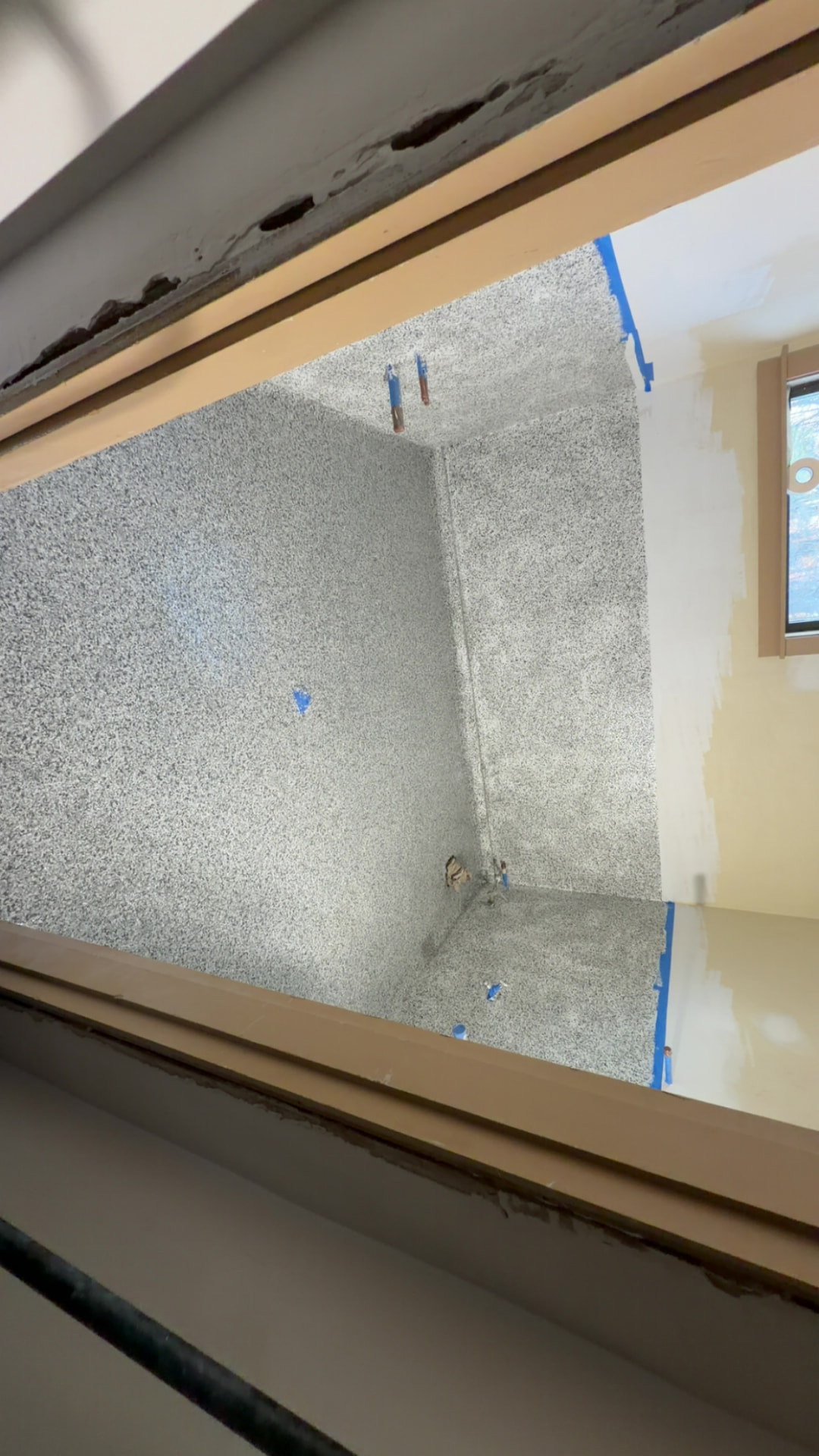
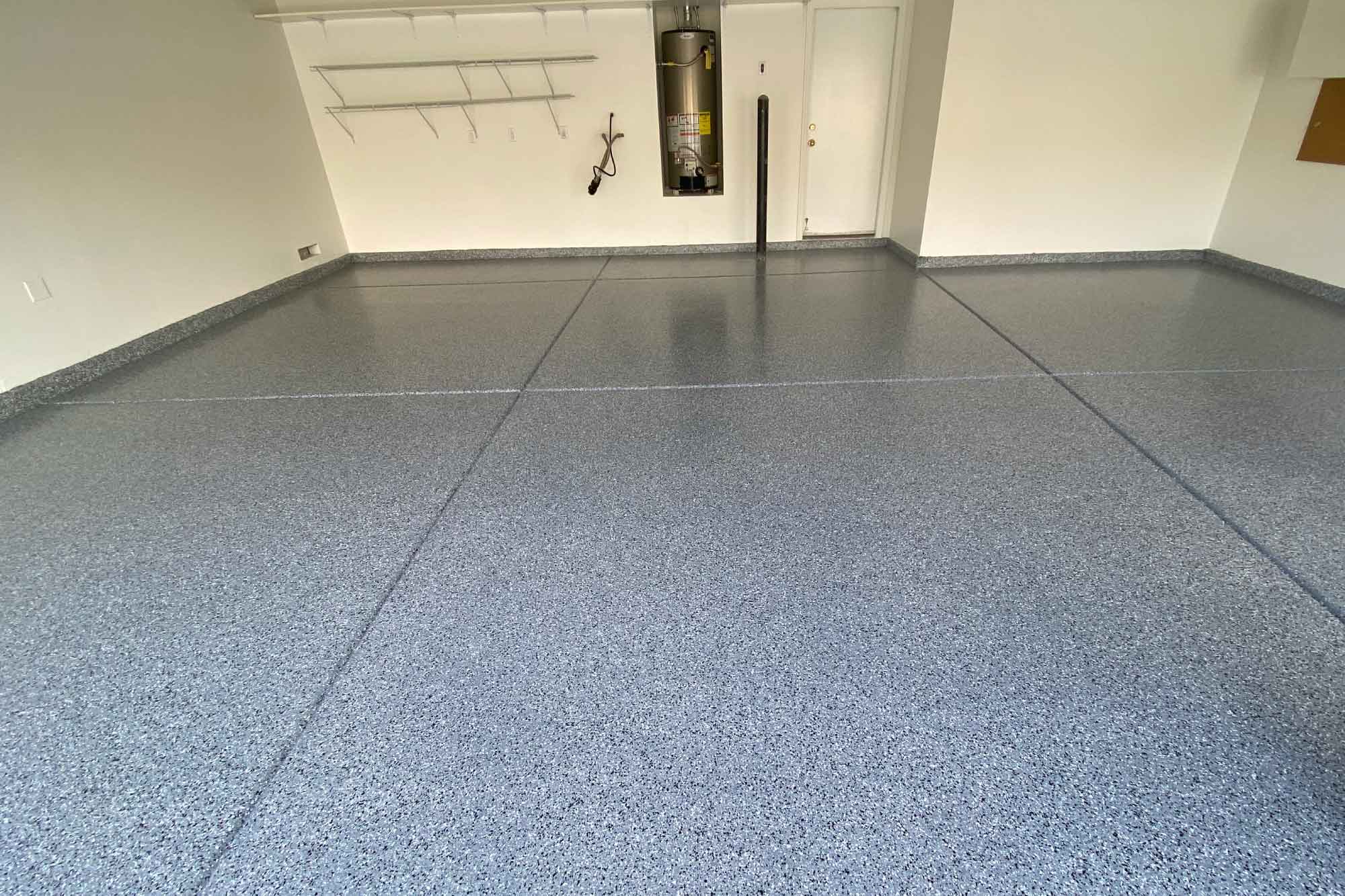
How do you know whether old concrete can be coated?
Begin with the condition of the concrete rather than its appearance or estimated age. A stained but sound slab may be a better candidate than a newer floor with a weak, dusty surface or active water entry. Inspect for loose material, scaling, spalling, exposed aggregate, and areas that sound or behave differently from surrounding concrete. These observations help identify where closer evaluation is needed, but they do not establish structural adequacy by themselves. The slab must be capable of supporting both the coating and its intended use. A coating does not reinforce a failing floor or correct settlement. Ask about previous repairs, seasonal dampness, and whether cracks have widened or changed level over time. Access to the full floor matters because stored items can hide important conditions. Where significant movement, heaving, or structural damage is suspected, obtain the appropriate evaluation before designing a cosmetic coating. The purpose of the inspection is to determine what is feasible, not to find a way to coat every surface regardless of its condition.
Can epoxy cover old paint, oil stains, and sealers?
Old paint and coatings need assessment for adhesion, compatibility, and the condition of the concrete below them. A new layer can bond to an old finish while the old finish remains poorly attached to the slab. That arrangement is no stronger than its weakest interface. Removal is often needed where the existing material is loose, incompatible, uncertain, or unsuitable for the specified preparation. Before disturbing old finishes or adhesives, determine whether hazardous-material precautions are required. Oil history is equally important. Surface discoloration does not always mean a bond is impossible, but cleaning away a visible stain does not prove absorbed contamination is gone. Oil may return to the surface after initial cleaning or become evident during preparation. Degreasing, removal of affected surface material, and further evaluation may be required. Deep contamination can make reliable coating impractical in particular areas. Sealers can also obstruct bonding and may not be obvious by sight. Mechanical preparation must remove unsuitable material and establish the required profile rather than simply roughening whatever finish happens to be present.
Can cracks and spalling in an old garage slab be repaired?
Stable cracks and localized spalls can often be repaired with compatible materials after loose and unsound concrete is removed. The repair needs a sound substrate and appropriate shape, thickness, and cure for the product used. Merely skimming resin across crumbling edges does not rebuild them. Large areas of deterioration may require more extensive concrete repair before a coating is considered. Cracks that continue to move, joints intended to accommodate movement, and differences in elevation need a different approach from a stable hairline defect. A rigid decorative finish cannot promise to hide future movement permanently. Moisture must also be assessed, particularly where the history of an under-slab vapor retarder is unknown. Age does not prove that the concrete is dry, and years of exposure do not eliminate ground moisture. Screening can identify concerns, followed by the testing required for the chosen system. Active leakage or results outside product limits should change the plan before coating, not become a problem discovered after the finish is installed.
| Inspection finding | Possible approach | Reason to stop and reassess |
|---|---|---|
| Localized spalling | Remove unsound material and use compatible repairs on sound concrete. | Deterioration is widespread or extends beyond the planned repair scope. |
| Previous paint or coating | Evaluate removal, compatibility, and the substrate after preparation. | Unknown hazardous material or a weak underlying surface needs separate action. |
| Oil history | Clean, prepare, and assess whether a suitable bonding surface can be established. | Contamination persists or returns after reasonable preparation. |
| Cracks and moisture | Distinguish stable defects from movement and verify coating moisture limits. | Active water, continuing movement, or structural concerns remain unresolved. |
- Clear inspection areas and describe the slab’s history as accurately as possible. Include old leaks, stored chemicals, flooding, prior coating failures, and repairs even if they are no longer visible.
- Have the existing finish and concrete condition evaluated before deciding on a decorative system. Identify areas that may need removal, testing, or work outside the coating scope.
- Agree on suitable repairs, preparation, and moisture verification before installation. Preserve necessary movement details and do not assume a smooth-looking repair eliminates the possibility of future cracking.
- Use the findings to decide whether to proceed, revise the system, or defer coating. A sound decision may include declining to coat a floor that cannot provide a reliable substrate.
When is an old floor not a good epoxy candidate?
An old slab may be unsuitable when it has ongoing water entry, widespread weak concrete, severe contamination that cannot be acceptably removed, or movement that the coating system cannot accommodate. The right decision may be to repair drainage, address the structure, replace damaged concrete, or leave the floor uncoated until the problem is resolved. A coating should not be used to conceal an unresolved condition simply because the finish looks uniform initially. If the floor is suitable after preparation and repairs, select the epoxy assembly for its actual use and exposure. Confirm what repairs are included and what happens if removal exposes more damage. A realistic assessment explains both the opportunity to improve the surface and the limits of what a bonded coating can accomplish on an aging slab.
More questions
Is my garage floor too old for epoxy?
There is no age cutoff that decides suitability by itself. Soundness, contamination, movement, and moisture are more important than the slab’s age.
Will epoxy hide every old crack?
Repairs may improve appearance, but moving cracks can show through or damage the finish again. Necessary joints and movement details should not simply be buried.
Can you coat over old paint without removing it?
That depends on the specified system and a careful assessment of compatibility and adhesion. Loose or uncertain material should not be treated as a reliable foundation.
Does an old slab still need moisture testing?
Yes; an old slab can continue receiving moisture from below. Appropriate testing and source evaluation are still needed before selecting a coating.
Still not sure what your floor needs?
Send us a few details or a photo of the slab. We will tell you honestly whether coating it is the right move.
Serving Central Massachusetts homeowners and businesses