Concrete Preparation & Crack Repair
Concrete preparation and repair address the surface conditions that can interfere with an epoxy floor. This work is for homeowners and businesses whose slabs need grinding, cleaning, crack repair, or spall repair before coating.
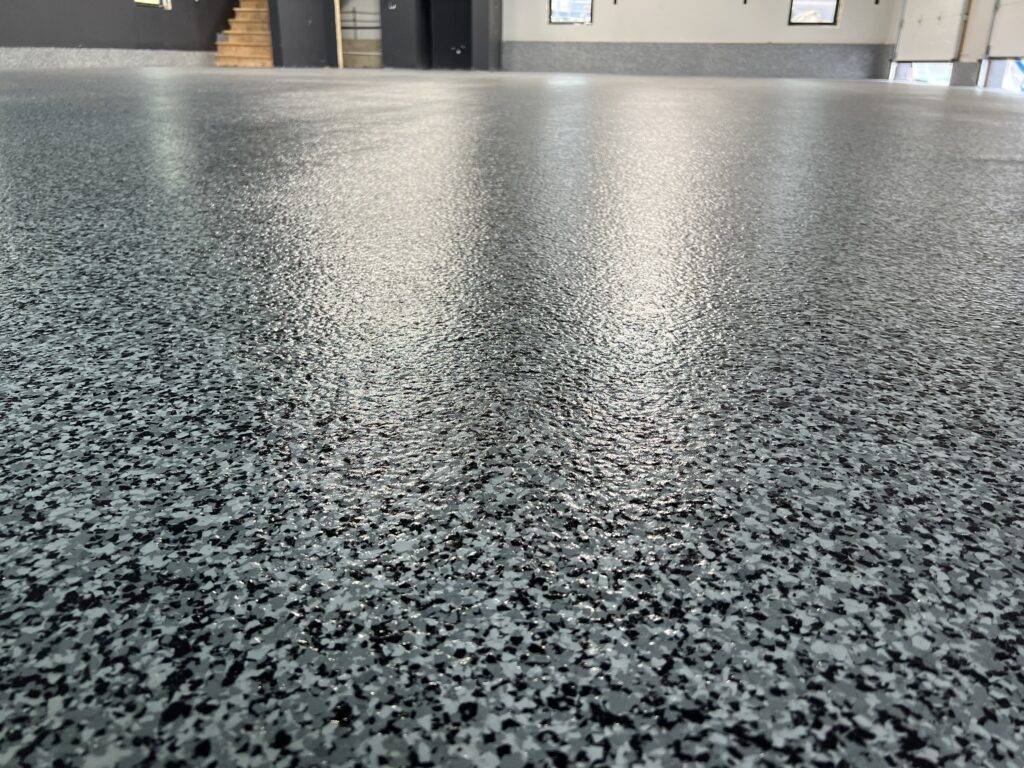

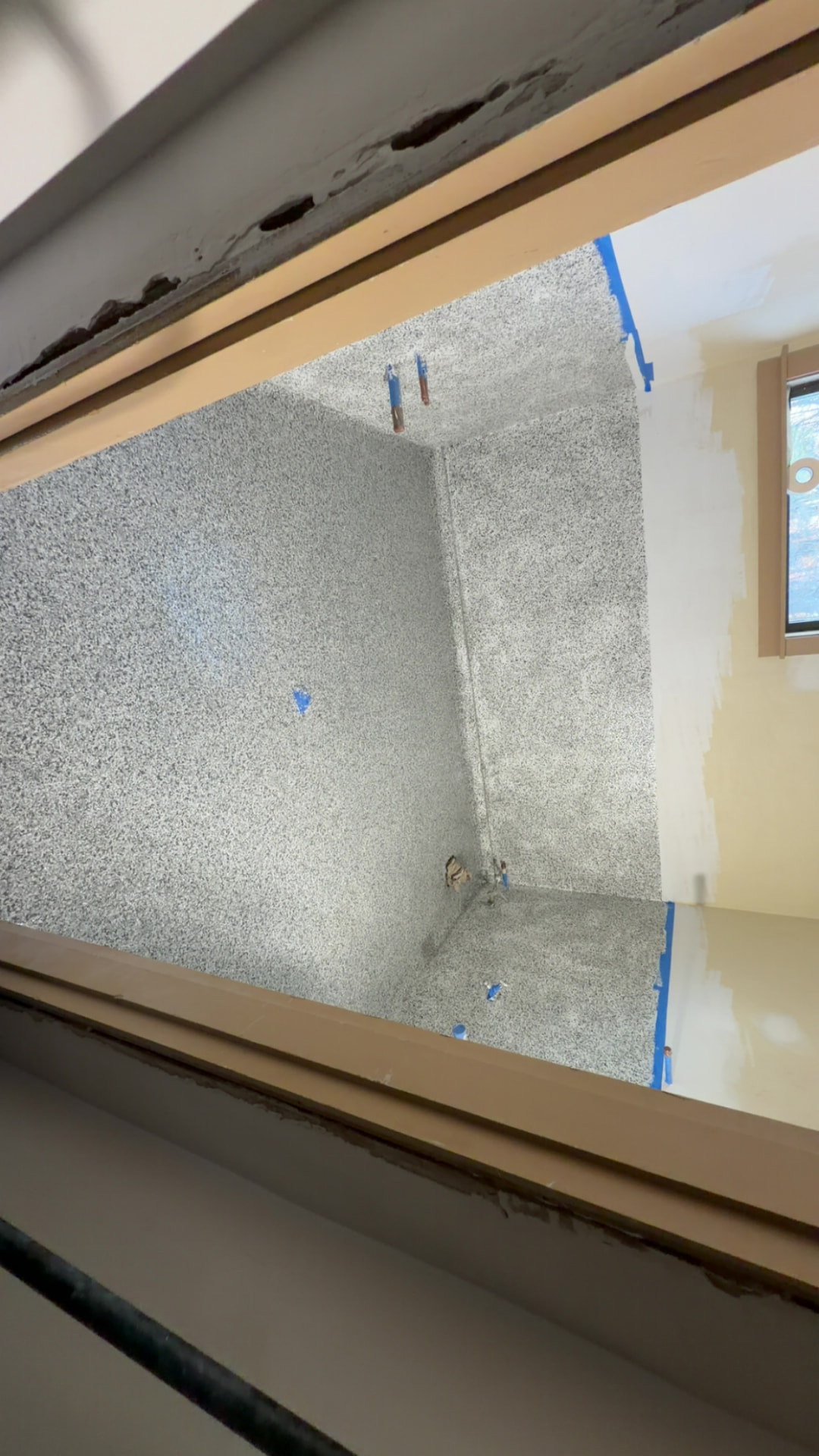

Diamond Grinding
We mechanically prepare concrete rather than relying on acid etching.
Repair Assessment
Cracks and spalling are reviewed before suitable repair work is planned.
Moisture Checks
Moisture concerns help determine whether the proposed coating work can proceed.
Honest Limits
Surface preparation is not a substitute for structural repair or correcting water entry.
What we look for beneath the finish
The surface of a slab tells only part of its story. A dark area may be contamination, a worn patch may contain loose concrete, and old paint may be bonded well in one place but failing nearby. Cracks also differ: some are relatively stable, while others reflect continuing movement. We inspect these conditions before deciding how to prepare the floor. Moisture deserves the same attention because a slab that looks dry at one visit can still have conditions relevant to coating. Our role is to identify preparation needs and explain where a coating plan has limits.
| Condition | Preparation consideration | Important limit |
|---|---|---|
| Cracks | The crack needs assessment and suitable preparation before repair material is selected as part of the coating scope. | A repaired crack can show again if the concrete continues to move. Filling the visible opening is not a guarantee that movement has stopped. |
| Spalling | Loose or unsound material needs attention so a patch is not placed over a weak base. The extent of deterioration affects the work. | A surface patch does not automatically resolve the cause of concrete breaking down. Deeper or ongoing deterioration may require a different repair approach. |
| Old coatings | Existing paint or coating must be assessed for bond and suitability. Removal requirements influence preparation time and the condition exposed underneath. | New epoxy cannot make a poorly bonded old layer adhere better. Leaving an unsuitable layer in place can compromise the new system. |
| Oil and moisture | Contaminated areas need cleaning and review, while moisture findings inform whether the proposed coating system is appropriate. | Grinding alone does not guarantee removal of deeply absorbed oil, and a clear-looking surface is not proof that moisture will not affect a coating. |
- A sounder coating base: mechanical preparation helps create a surface suitable for bonding. It is work beneath the finish, but it directly affects whether the selected system has an appropriate foundation.
- Earlier identification of problems: inspection can reveal weak areas, old coating failures, or moisture concerns before they are covered. That makes it possible to discuss changes to the scope before application.
- A coordinated repair plan: suitable cracks and damaged areas can be addressed alongside grinding and coating preparation. Repairs are considered in context rather than treated as isolated cosmetic marks.
- Clearer expectations: preparation gives us a basis for explaining what the finished floor may look like and what it cannot fix. Some repair outlines, movement, or slab irregularities may remain relevant after coating.
Our concrete preparation and repair sequence
- Clear and sweep the slab so the surface and perimeter can be examined. Tell us about previous coatings, recurring dampness, and repair attempts, including areas normally hidden beneath equipment or stored belongings.
- Review contamination and moisture conditions. Grease and oil need appropriate cleaning, and moisture concerns need assessment before a coating recommendation is finalized. The findings may change the proposed work or show that another issue needs attention first.
- Diamond grind the concrete to prepare the surface for the selected epoxy system. This mechanical step opens the surface and addresses material that should not remain beneath the coating. We do not rely on acid etching instead.
- Prepare and patch suitable cracks and spalled areas. The objective is a dependable base for coating, not a promise that every crack will remain invisible. Unsound material and signs of continued movement need particular attention.
- Review edges, drains, and joints. Door openings and transitions need defined coating boundaries, while joints may have a movement function that should be respected. These details are discussed rather than simply buried under the finish.
- Complete the preparation required for coating. Loose debris and preparation residue need removal, and the surface must meet the selected system's requirements before primer or epoxy is applied. A prepared appearance alone does not replace that final check.
- Garage slabs being considered for a new epoxy floor, especially where worn paint, oily areas, or visible damage make the preparation scope uncertain.
- Commercial concrete floors where access, existing coatings, and repairs need to be understood before a business commits to an installation schedule.
- Previously coated surfaces showing peeling or other failure, where the cause and removal requirements should be reviewed before another system is applied.
Preparation costs depend on area, coating removal, contamination, damage, access, and the requirements of the proposed epoxy system. We provide a free on-site estimate so those factors can be assessed together. Ask what repairs are included, what conditions could change the scope, and whether any issue needs separate correction. Grinding is not the same as leveling an entire slab, and patching is not automatically structural repair. A useful estimate makes those distinctions clear. Once the concrete is suitable, the coating work can proceed with a better understanding of the base beneath it.
Frequently asked questions
Do you grind concrete or acid etch it?
We use diamond grinding to prepare concrete for our epoxy systems. We do not rely on acid etching as a substitute for mechanical preparation.
Can you repair cracks before epoxy flooring?
Suitable cracks can be prepared and repaired before coating. We assess their condition first because a crack that continues to move can reappear through the finish.
Will grinding remove oil from concrete?
Grinding alone is not a guarantee that absorbed oil has been removed. Contaminated areas need cleaning and assessment before we determine whether the surface is suitable for coating.
Does concrete grinding level the whole floor?
Coating preparation and full slab leveling are different scopes of work. We discuss surface condition and any required repairs without assuming grinding will correct slope, settlement, or drainage.
Can you coat concrete that has moisture problems?
Moisture conditions need assessment before a system is recommended. Some findings may change the plan or require the underlying issue to be addressed before coating can proceed.
Want Concrete Preparation & Crack Repair in your space?
Send us the details and we will walk you through the system options, the prep your slab needs, and what the job involves.
Serving Central Massachusetts homeowners and businesses