How Much Does a Commercial Epoxy Floor Cost?
A warehouse aisle, service bay, and public-facing room do not impose the same requirements on a floor. A useful proposal ties the epoxy system and installation schedule to actual traffic, cleaning, spills, and operating constraints.
Commercial epoxy floor cost depends on measured area, concrete repairs, preparation, system thickness, finish requirements, access, and operational downtime. We quote after measuring on site and reviewing how the space is used.
What drives commercial epoxy flooring cost?
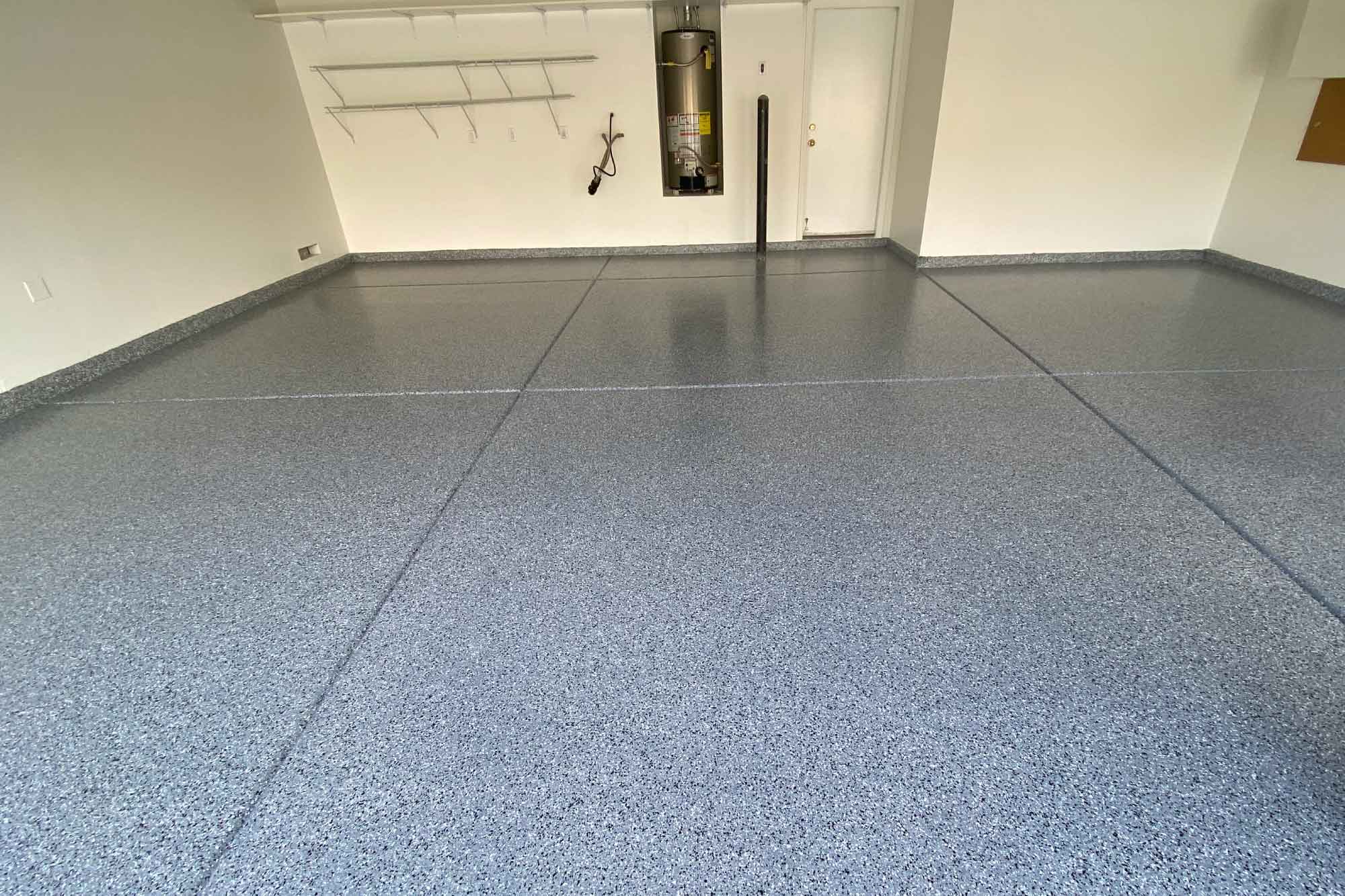
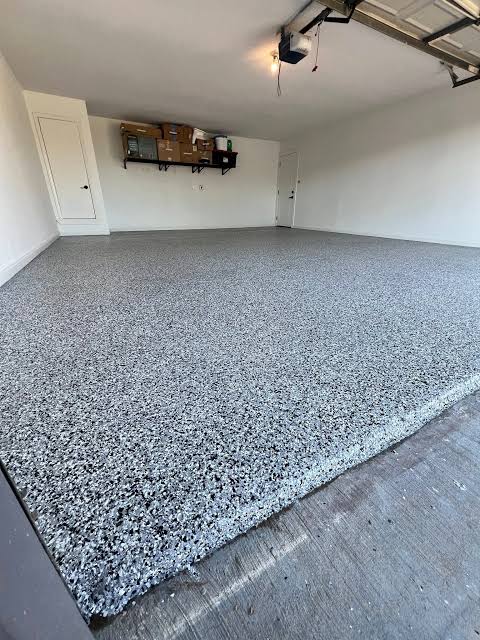
Square footage determines the scale of preparation and coating material use, but the layout can change the work substantially. A clear open area is different from a floor divided by equipment, racking, pits, doorways, and small rooms. Edges, bases, drains, transitions, and any vertical surfaces need defined treatment. Equipment access, power availability, loading access, and material staging also influence the installation plan. Existing concrete condition is another major variable. Old paint, adhesive, oil, weak surface material, and damaged patches may require removal before a coating system can be installed. A floor previously used for maintenance or manufacturing needs a careful contamination history rather than an assumption that all staining is superficial. Repairs and moisture findings can change both materials and labor. The estimate should state which conditions have been assessed and how hidden damage will be handled if preparation exposes it. We measure and review the site before quoting so the scope reflects the actual space, not just an area supplied without context.
How do traffic, chemicals, and system layers affect pricing?
The system should match the operating demands rather than relying on the word industrial as a performance specification. Pedestrian traffic, pallet jacks, forklifts, rolling racks, and stationary equipment create different abrasion, impact, and load conditions. The slab and joints also have to support those demands; resin does not repair an inadequate structural floor. Discuss turning areas, concentrated loads, and the condition of traffic joints before choosing film build and finish. Chemical exposure needs equally specific information. Identify the substances, concentrations, temperatures, and likely contact durations rather than asking only for chemical resistance. Cleaning routines can be a major exposure in their own right. Primer, epoxy build coats, broadcast material, and protective finish should each have a stated purpose. Flake, quartz, or solid color choices affect appearance and texture, but decoration should not replace the required functional specification. More texture may improve traction in some conditions while increasing cleaning effort. The finish must balance actual use, housekeeping capability, and the limitations of the selected system.
Why do access and downtime affect a commercial quote?
An installation schedule must allow preparation, repairs, layer application, and cure before the intended traffic returns. Foot access and light cleaning are not equivalent to forklift service, chemical exposure, or placing loaded racking on the floor. Product-specific instructions and site conditions determine those milestones. A rushed reopening can damage a floor that looks dry but has not reached its required service cure. Working in phases may keep part of a business available, but it can require repeated setup, separate work zones, extra transitions, and careful control of traffic between completed and active areas. Dust, odor, ventilation, and protection of nearby goods or processes also need planning. Overnight or restricted-hour work does not eliminate cure time or the need for suitable environmental conditions. Moving equipment and inventory may be an owner responsibility or a separate part of the scope, so establish that before comparing proposals. A useful schedule identifies who clears each area, how it stays protected, and who confirms that each stage is ready for service.
| Cost driver | Why it changes the scope | Question to settle on site |
|---|---|---|
| Slab condition | Removal, contamination, repairs, and moisture can change the preparation and system. | What is included, and how will newly exposed damage be handled? |
| Use and exposure | Traffic, chemicals, heat, and cleaning influence build and finish selection. | What loads and substances must the specified assembly tolerate? |
| Layout and access | Equipment, edges, drains, and restricted entry add detailing and setup. | Who clears the area, and which features receive coating? |
| Operational schedule | Phasing, protection, and curing affect shutdown and return to service. | When can each specific activity resume under the written instructions? |
- Document the floor area, current use, expected traffic, and planned changes before the assessment. Include heavy equipment, spill exposure, and cleaning products so the system can be evaluated against real demands.
- Arrange access to representative problem areas, not just the cleanest section. Point out failed coatings, damp spots, damaged joints, old repairs, and places where contamination has been persistent.
- Compare preparation, repairs, layers, texture, and protection requirements across proposals. Confirm whether equipment moves, line markings, drains, and transitions are included or handled separately.
- Coordinate shutdown and reopening with the actual cure requirements. Establish who controls traffic, keeps the work area protected, and approves the return of equipment or chemical exposure.
What should a commercial epoxy flooring proposal include?
The written scope should connect the floor’s condition with the proposed preparation, repairs, layer schedule, and finish. Include measured boundaries, exclusions, access assumptions, waste handling, and a process for unforeseen conditions. Identify moisture evaluation and any specified treatment rather than implying that standard epoxy solves every slab problem. Ask for the intended coverage or film build and the cure requirements for the actual products. Confirm cleaning compatibility and any limits relevant to chemicals, heat, or wet traffic. Commercial spaces may also have specific operational or regulatory requirements that need separate verification; an epoxy coating alone does not establish compliance. Compare proposals on those defined requirements and the full shutdown plan. The most useful quote is one that explains what work is included, what remains uncertain, and how the business can return to use without sacrificing the installation conditions.
More questions
Can you price a commercial floor from square footage alone?
Area helps define scale but does not reveal preparation, access, or operating requirements. We quote after measuring on site and reviewing the intended use.
Does every commercial space need the thickest system?
No; the assembly should suit the actual loads, exposure, and substrate. Additional thickness without the right preparation and specification is not a substitute for suitability.
Can the business remain open during installation?
Sometimes phased work is possible, but it depends on layout, isolation, access, and cure requirements. The plan must prevent traffic and contamination from reaching active work areas.
Does chemical resistance mean spills can stay on the floor?
No; resistance depends on the substance and exposure conditions. Prompt cleanup and the specified care routine remain important.
Still not sure what your floor needs?
Send us a few details or a photo of the slab. We will tell you honestly whether coating it is the right move.
Serving Central Massachusetts homeowners and businesses